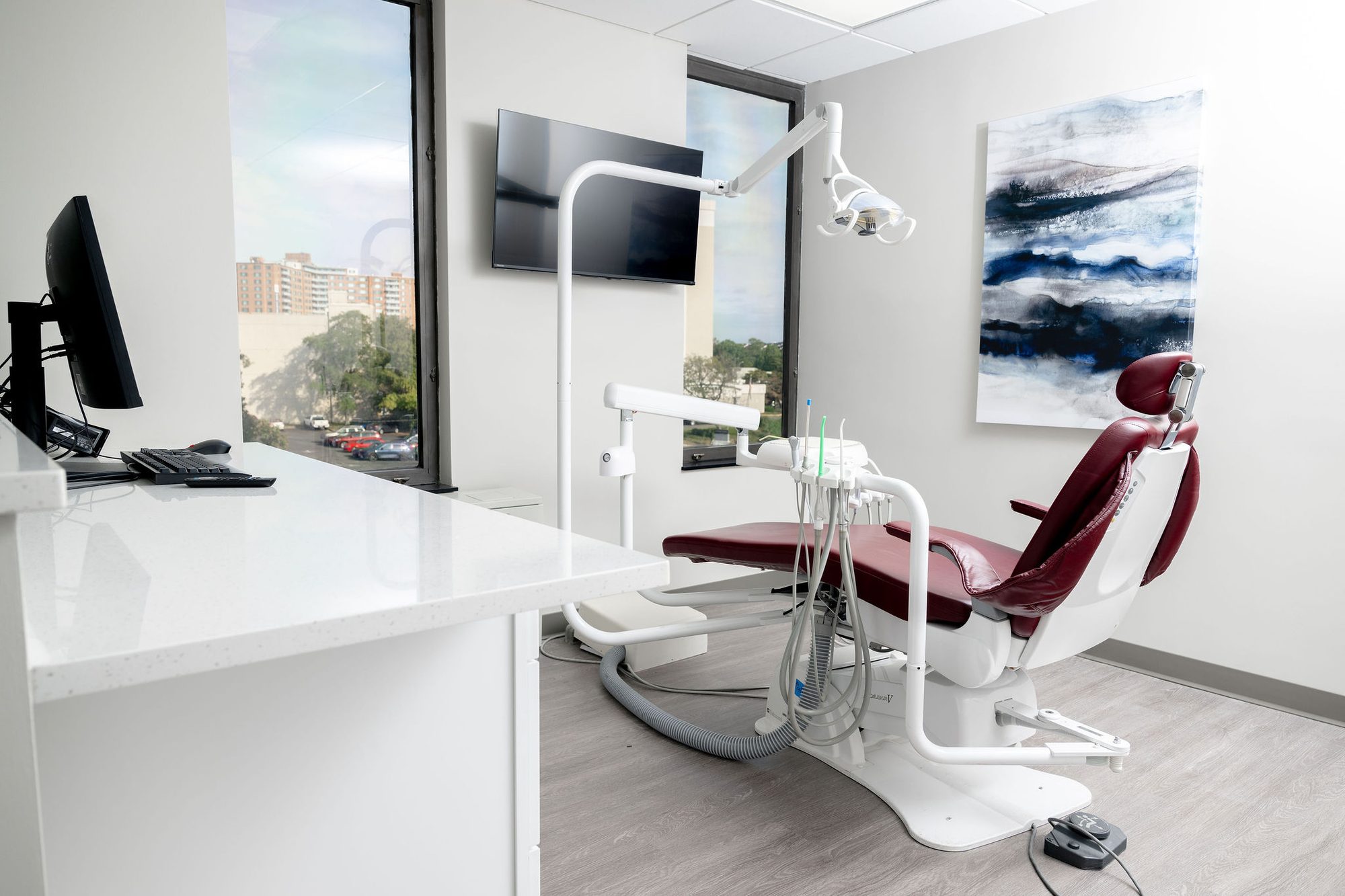
A crown caps a cracked, worn, or heavily filled tooth in a single restoration, restoring full chewing strength while protecting what remains of your natural tooth underneath.
When a tooth is cracked, badly decayed, worn down, or has been filled so many times that not much healthy structure is left, a filling is no longer enough. A crown covers the entire visible portion of the tooth, taking over the job the enamel can no longer do.
We shape the crown to match the color, contour, and bite of the teeth around it. Done well, a crown is the restoration nobody notices, you get your bite back, the tooth is protected from fracturing further, and the result blends into your smile.
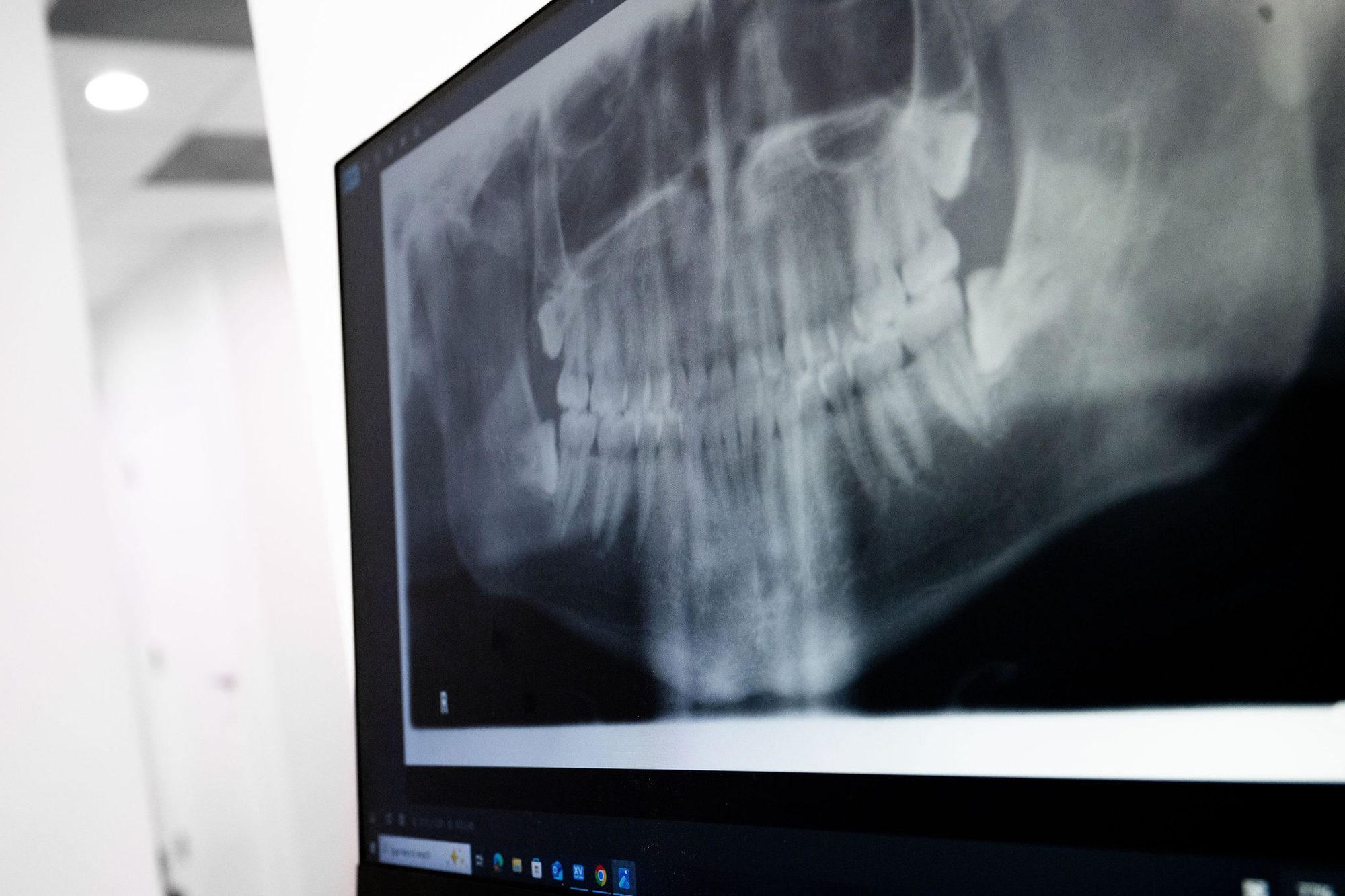
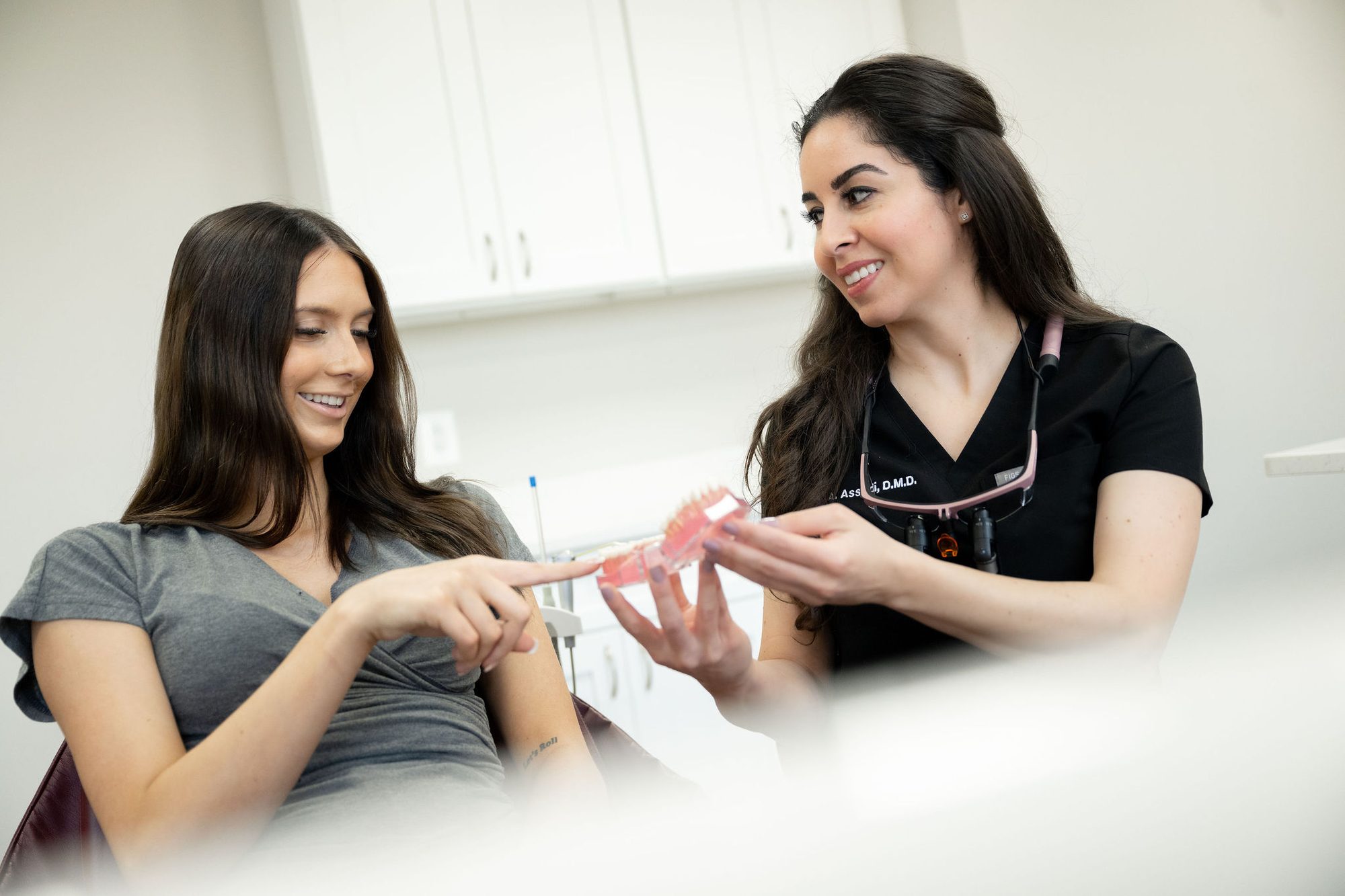
A crown is the standard answer when a tooth needs more than a filling but is still worth saving. At your exam we'll show you the X-ray and explain honestly whether a crown, a filling, or something else fits your situation.
A crown holds a cracked tooth together and stops the fracture from spreading toward the root.
A treated tooth becomes brittle. A crown protects it from splitting under normal chewing force.
When a filling takes up more of the tooth than enamel does, a crown is the more durable replacement.
Teeth flattened by bruxism can be rebuilt to their proper height and function.
A crown corrects color, shape, and proportion on a tooth that cosmetic bonding can't fix.
The visible tooth on an implant is a crown, custom-matched to your neighboring teeth.
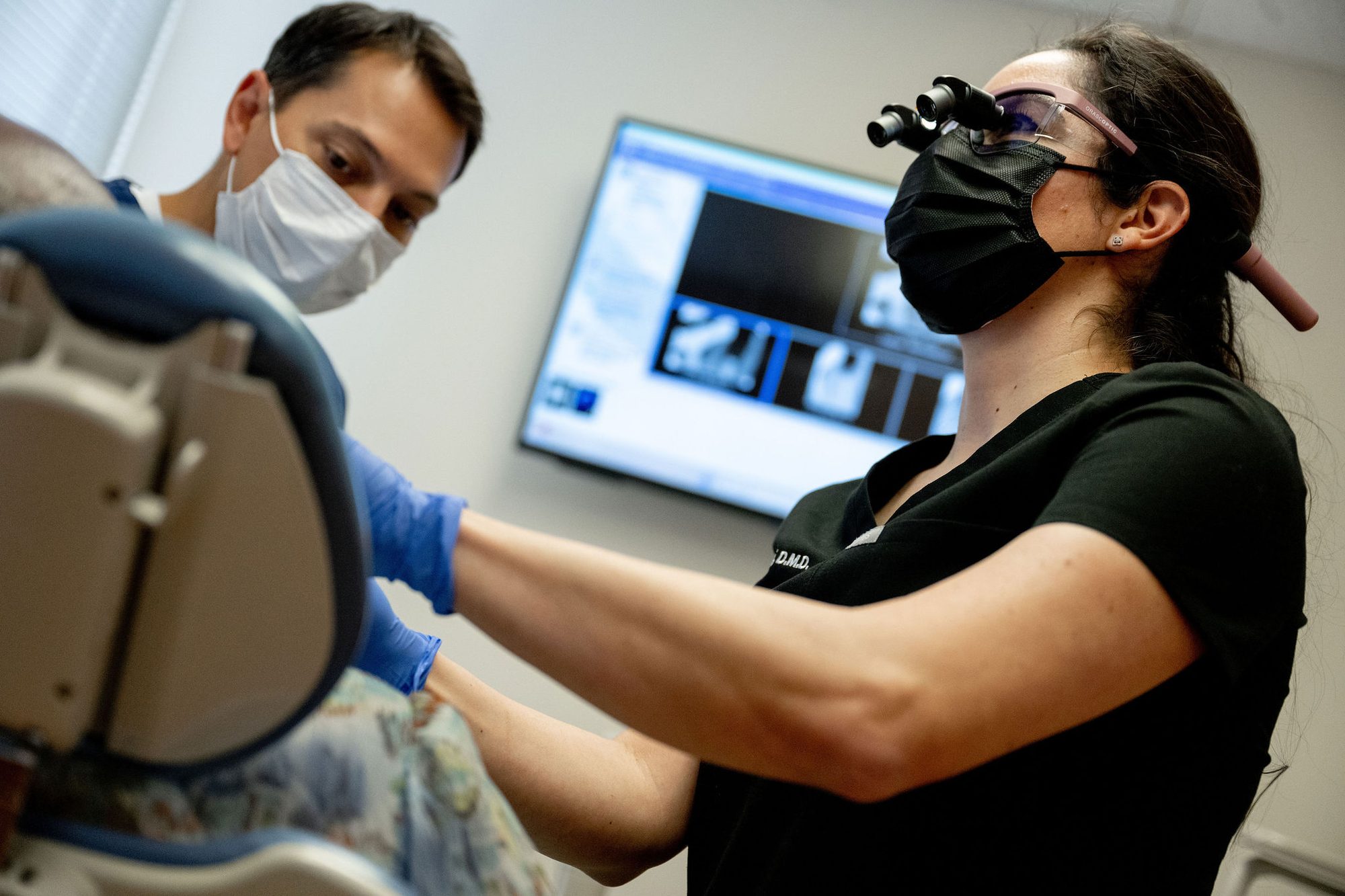
We take digital X-rays and evaluate how much healthy tooth structure remains. If decay has reached the nerve, a root canal may be needed before the crown.
The area is fully numbed, sedation is available if you'd like it. We remove decay and shape the tooth so the crown seats correctly without feeling bulky.
We take a digital scan and match your shade, then send it to the lab. You leave with a temporary crown that lets you eat and speak normally.
At your second visit we check the fit, color, and bite before permanently bonding the crown. You should be able to chew on it the same day.
A filling is less invasive and less expensive, so it's the first choice when it will hold. Once too much tooth is gone, a filling starts to work against you, it flexes, and the tooth cracks around it.
The cost of a crown depends on which tooth is being restored, the material used, whether sedation is involved, and whether any other treatment is needed first. Most dental insurance plans cover crowns as a major restorative procedure. We'll verify your benefits and give you an exact out-of-pocket number before we begin.
Our clinic is in network with most PPOs and accepts all insurance plans. We'll verify your benefits and file the claim on your behalf.
Spread payment over time with interest-free financing through Lending Club or CareCredit, so cost isn't the reason you delay treatment.
Not insured? Our in-house membership plan simplifies preventative care and saves on treatment, a smart alternative when insurance isn't a fit.
Learn About MembershipOur restorative team handles complex crown and full-mouth cases in-house, from planning through final placement.
Over a decade of practice in the DC area. Certified Invisalign provider and AAFE-certified in Botox therapeutics for TMJ and facial pain.
Restorative, cosmetic, and complex oral surgery. Invisalign and dental implant certified, with a special focus on patients with dental anxiety.
Compassionate care with a friendly approach. A Fairfax native who combines clinical expertise with genuine warmth that puts patients at ease.
Multi-disciplinary, comprehensive dentistry with a pragmatic approach. Passionate about patient education and staying current with advances in dental care.
Still have questions? Book an exam at any of our three offices and we'll walk you through your options in plain language.
Book ConsultationThe tooth is fully numbed before we start, so the appointment itself shouldn't be painful. Some tenderness in the gum around the tooth for a day or two afterward is normal. If dental anxiety is a concern, we offer sedation, just tell us when you book.
With good hygiene, most crowns last 10 to 15 years, and many last considerably longer. What shortens that lifespan is decay at the margin where the crown meets the tooth, so brushing, flossing, and regular checkups matter as much as they do for natural teeth.
We most often use porcelain or zirconia because they're strong and match natural enamel closely. Zirconia is the usual choice for back molars that take the most force. We'll recommend the material based on which tooth it is and how you chew.
Yes. We shade-match the crown to the teeth beside it before it's fabricated, and check the color again at placement before anything is bonded permanently. If it isn't right, it goes back to the lab.
Not usually. A root canal is only needed if decay or a crack has reached the nerve inside the tooth. We'll know from the X-ray and your symptoms, and we'll tell you before treatment starts, not partway through.
Treat it like a natural tooth: brush twice daily, floss around it every day, and keep your six-month cleanings. Avoid chewing ice or hard candy, and if you grind your teeth at night, ask us about a nightguard to protect the crown.
Bring us the tooth that's been bothering you. We'll take an X-ray, show you what we see, and tell you what it actually needs, whether that's a crown, a filling, or watching it for now.
No pressure. No obligation. Just a clear picture of what's possible.
New patients always welcome. Fill out the form and we'll reach out to schedule your exam, or call the office nearest you.