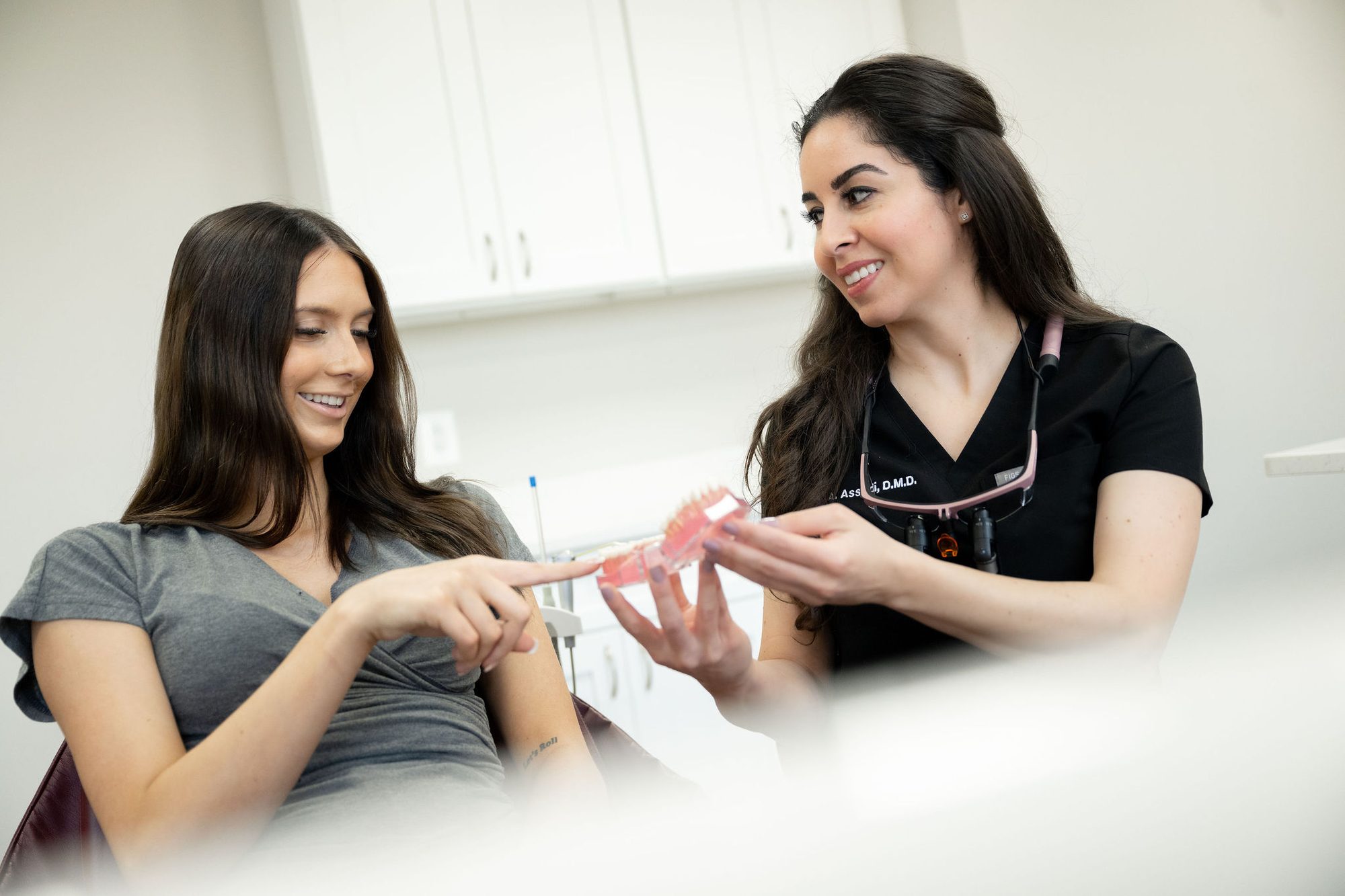
A dental bridge replaces one or more missing teeth with a fixed restoration anchored to the teeth on either side, no removing it at night, no clasps, just a tooth that's back in your bite.
When a tooth is missing, the teeth around it start to drift, your bite shifts to compensate, and chewing on that side gets harder. A bridge fills the space with a false tooth (or teeth) fused to crowns on the neighboring teeth, so the whole unit is anchored permanently in place.
Because it's cemented rather than removed, a bridge functions close to a natural tooth from day one. You bite, chew, and speak normally, and there's no adjustment period for learning to wear an appliance.
A bridge works best when the teeth on either side of the gap are healthy enough to support it. At your exam we'll check those teeth and the bone underneath before recommending one.
A bridge is a fast, effective way to fill a small gap without surgery.
If the teeth bordering the gap are healthy, they can support crowns and carry the bridge.
A bridge stays cemented in place, so there's nothing to take out, soak, or lose.
Filling the gap stops neighboring teeth from tilting into the space over time.
Some patients need more bone or healing time before an implant. A bridge can restore function in the meantime.
If you're chewing unevenly or your jaw feels off, a bridge restores an even bite across both sides.
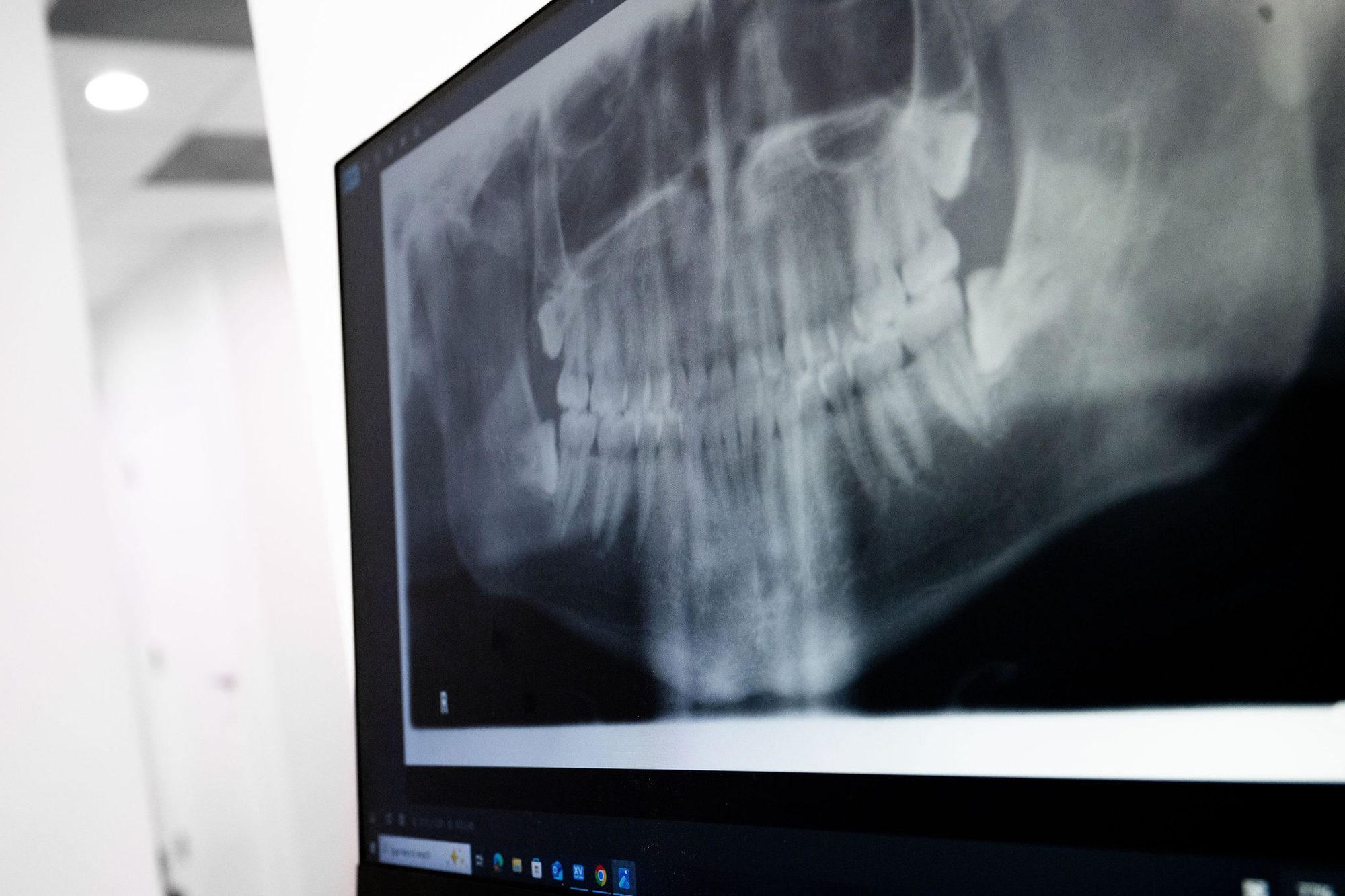
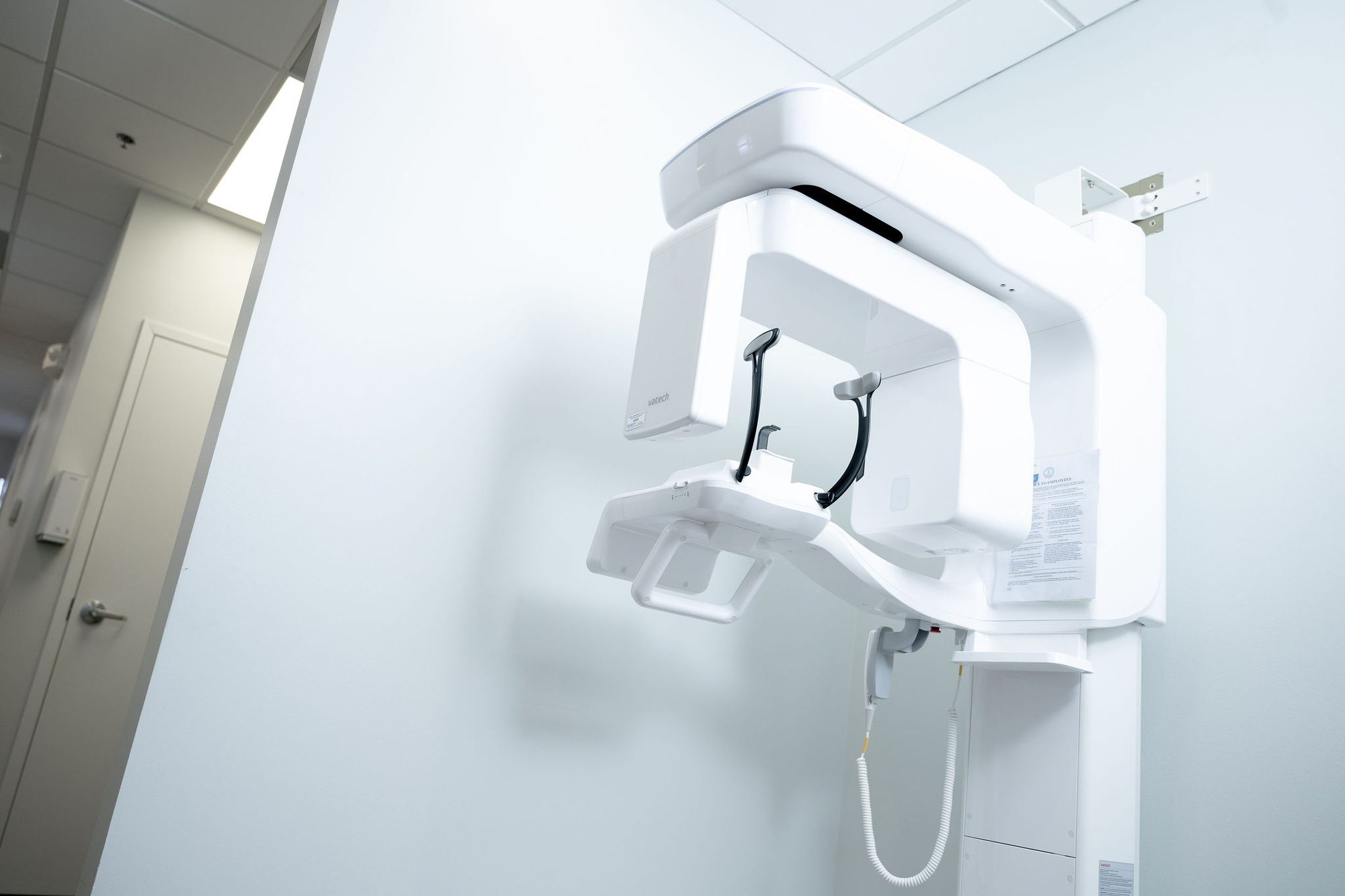
We take digital X-rays of the gap and the supporting teeth to confirm a bridge is the right fit, and to plan how many units it needs to span.
The teeth on either side of the gap are numbed and shaped to hold crowns, similar to preparing a tooth for a single crown. Sedation is available if you'd like it.
We take a digital scan, match the shade to your surrounding teeth, and send the case to the lab. A temporary bridge protects the area while it's fabricated.
At your second visit we check the fit, contact points, and bite before cementing the finished bridge permanently. You can chew on it the same day.
A removable partial is less invasive and usually less expensive up front, so it's worth considering if the neighboring teeth aren't strong enough for a bridge. But for most patients replacing one or two teeth, a fixed bridge holds up better day to day.
Bridge cost depends on how many teeth are being replaced, the material used, and the condition of the anchor teeth. Most dental insurance plans provide partial coverage for bridges as a major restorative procedure. We'll verify your benefits and give you an exact out-of-pocket number before treatment begins.
Our clinic is in network with most PPOs and accepts all insurance plans. We'll verify your benefits and file the claim on your behalf.
Spread payment over time with interest-free financing through Lending Club or CareCredit, so cost isn't the reason you delay treatment.
Not insured? Our in-house membership plan simplifies preventative care and saves on treatment, a smart alternative when insurance isn't a fit.
Learn About MembershipOur restorative team handles multi-unit bridge cases in-house, from planning to final placement, so nothing gets referred out mid-treatment.
Over a decade of practice in the DC area. Certified Invisalign provider and AAFE-certified in Botox therapeutics for TMJ and facial pain.
Restorative, cosmetic, and complex oral surgery. Invisalign and dental implant certified, with a special focus on patients with dental anxiety.
Compassionate care with a friendly approach. A Fairfax native who combines clinical expertise with genuine warmth that puts patients at ease.
Multi-disciplinary, comprehensive dentistry with a pragmatic approach. Passionate about patient education and staying current with advances in dental care.
Still deciding between a bridge, a partial, or an implant? Book an exam at any of our three offices and we'll walk through the tradeoffs with your specific gap.
Book ConsultationThe anchor teeth are fully numbed before we shape them, so the appointment itself shouldn't be painful. Mild sensitivity for a day or two afterward is normal, and sedation is available if you'd prefer to be more relaxed during the visit.
Most bridges last 10 to 15 years with good hygiene, and many last longer. What shortens the lifespan is decay at the anchor teeth, so flossing under the bridge with a floss threader and keeping regular checkups matters as much as it does for natural teeth.
In many cases, yes. A bridge doesn't require the healing time an implant does and can be finished in two visits instead of a multi-month process. The tradeoff is that it relies on the neighboring teeth, so we'll check whether they're strong enough before recommending either option.
Yes. We shade-match the bridge to your surrounding teeth before it's fabricated and check the color again at placement before anything is cemented. It's designed to be the tooth nobody notices.
You'll floss under the false tooth using a floss threader or a water flosser, since regular floss can't reach that area on its own. We'll show you the technique at your placement visit so plaque doesn't build up where you can't see it.
Neighboring teeth tend to tilt into an open gap over months and years, which can throw off your bite and make future treatment more complicated. Filling the space sooner, whether with a bridge or another option, is usually easier than filling it later.
Bring us the gap that's been bothering you. We'll take an X-ray, check the surrounding teeth, and tell you honestly whether a bridge, a partial, or an implant fits your situation best.
No pressure. No obligation. Just a clear picture of what's possible.
New patients always welcome. Fill out the form and we'll reach out to schedule your exam, or call the office nearest you.